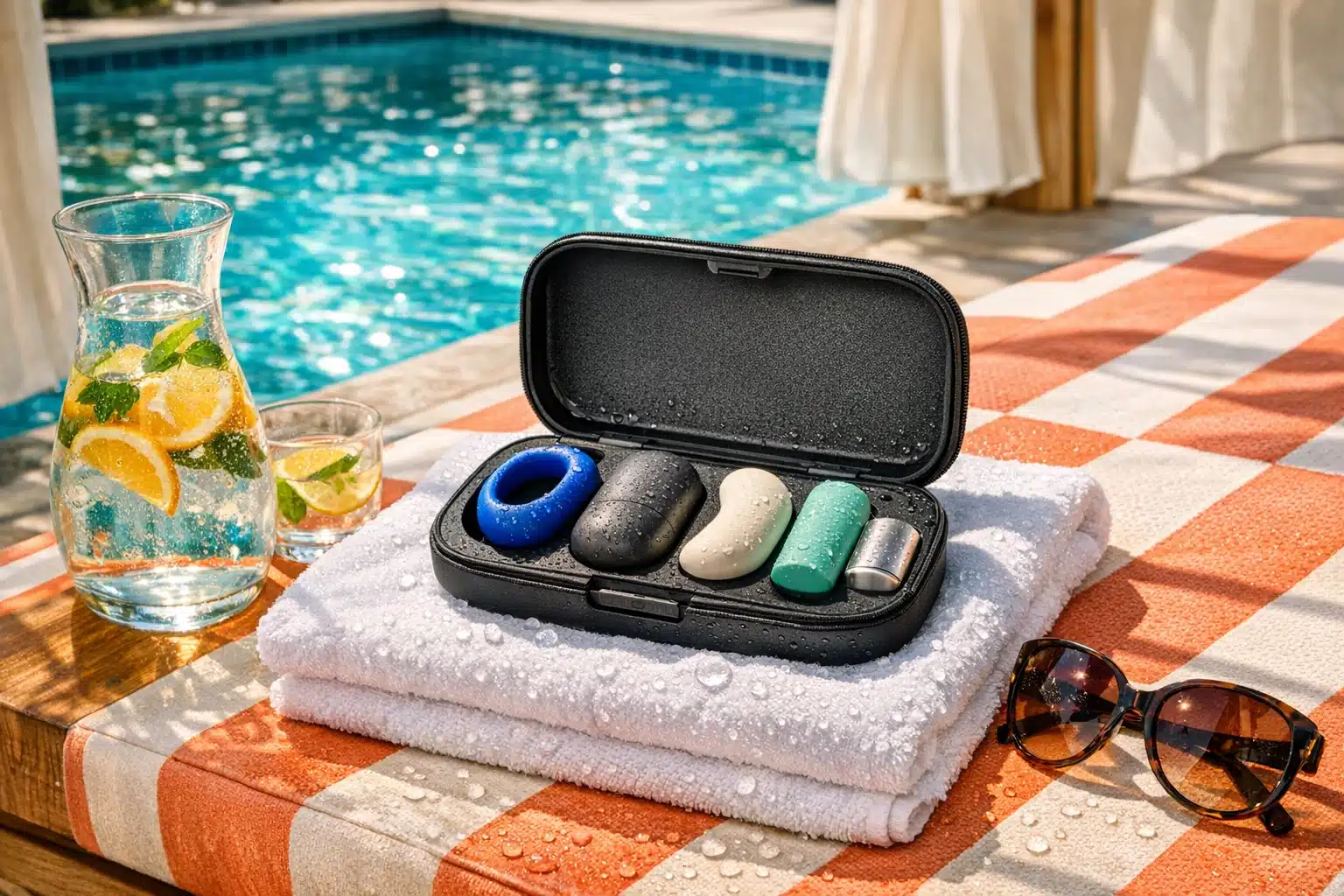
 Artificially generated image
 Top rated 10 Male Intimate Devices
Introduction, Outline, and Two Manual Favorites
Shopping for male intimate devices can feel strangely technical, even when the goal is simple: comfort, curiosity, and better personal pleasure. Materials, motor strength, sizing, hygiene, and noise levels all shape the experience, yet many guides skim past those basics. This article breaks down ten popular device categories in plain English, with attention to materials, features, upkeep, and value. Whether you are buying your first device or replacing an old favorite, a clear overview helps you spend more wisely.
Before getting into the details, it helps to map the territory. In this guide, the ten commonly top-rated categories are grouped into five larger sections so comparisons feel natural rather than overwhelming. The outline looks like this:
• Category 1: classic sleeves
• Category 2: open-ended textured strokers
• Category 3: vibrating sleeves
• Category 4: automatic strokers
• Category 5: suction-based devices
• Category 6: wearable rings and external stimulators
• Category 7: prostate massagers
• Category 8: warming and multifunction devices
• Category 9: app-connected devices
• Category 10: compact travel-friendly devices
That structure matters because “top rated” rarely means one perfect choice for everyone. Reviews often depend on fit, texture preference, cleanup habits, noise tolerance, and budget. A device with four-and-a-half stars may still be wrong for a buyer who wants fast washing, whisper-quiet use, or a firmer internal feel.
Category 1, the classic sleeve, remains popular because it is simple, affordable, and easy to understand. Most entry models use TPE or similar soft elastomers, which feel flexible and often cost less, sometimes in the 15 to 40 dollar range. Silicone versions usually cost more, but they are non-porous, more durable, and easier to sanitize. That material difference is one of the biggest quality markers in the entire category. If you want lower upkeep, silicone is usually the smarter long-term buy. If you are still exploring your preferences, a well-made budget sleeve can be a reasonable starting point.
Category 2, the open-ended textured stroker, adds more airflow, easier rinsing, and sometimes more forgiving sizing. Open-ended designs can feel less restrictive and usually dry faster after washing, which is a practical advantage that product pages do not always highlight. They also tend to be easier to inspect for cleanliness. For new buyers, that matters a lot. Manual devices may not have flashy electronics, but their strengths are real:
• no charging cables
• fewer parts that can fail
• quieter use
• lower replacement cost
If the market seems like a crowded aisle of bright promises, these two categories are the reliable front door: straightforward, useful, and often better than expected when material quality is high.
Vibration and Automation: Categories 3 and 4
Once buyers move beyond basic manual designs, the next step often leads to Category 3, vibrating sleeves, and Category 4, automatic strokers. These are the device types that introduce motors, preset patterns, rechargeable batteries, and more noticeable differences in engineering quality. On the shelf, they can look similar. In actual use, they can be miles apart.
Vibrating sleeves are usually the easier upgrade. They combine a familiar sleeve-style format with a bullet motor or built-in vibration system. This makes them less intimidating than fully automated devices while still offering more variety than a standard manual option. The main things to compare are motor placement, vibration transfer, battery access, and waterproofing. A strong motor means little if the vibration gets absorbed by a thick outer case instead of reaching the area where it is meant to be felt. In many reviews, the best-performing models are not always the ones with the most patterns, but the ones with the most effective pattern design. Five useful settings can outperform twenty weak ones.
Price usually climbs with battery quality and shell construction. Lower-cost vibrating sleeves may charge with a simple USB cable and run for 45 to 60 minutes. Mid-range models often reach 60 to 90 minutes and feel sturdier in the hand. Better seals also improve washing convenience. If a model is fully waterproof rather than merely splash-resistant, cleanup becomes easier and less stressful. That is not a glamorous selling point, but in daily ownership it matters more than a glossy finish.
Automatic strokers, meanwhile, promise more mechanical movement and a more hands-free style. They often include rotating, contracting, or telescoping action. This is the category where shopping discipline really helps, because specifications do not always tell the whole story. A heavy shell may suggest premium construction, yet it can make the unit awkward to hold. A very strong motor may also mean more noise. Good automatic designs balance power, grip comfort, internal softness, and removable components for cleaning.
When comparing Category 4 options, look at:
• whether the inner sleeve is removable
• whether the charging port is well protected
• whether the controls are easy to find without looking
• whether the device supports water-based lubricant, which many manufacturers prefer
For value, vibrating sleeves often give more reliable satisfaction per dollar. Automatic strokers can be excellent, but they are also the point where buyers benefit most from reading detailed reviews, checking return policies, and paying attention to upkeep time. If manual sleeves are the dependable hatchback of the category, automated devices are the sportier model: more exciting when done well, more disappointing when corners were cut.
Suction-Based Devices and Wearable Support: Categories 5 and 6
Category 5, suction-based devices, has grown fast because it offers a different style of stimulation from sleeves and standard vibration. Some models rely on rhythmic pulses, others on air pressure changes, and some combine suction with soft internal texture. The category attracts curious buyers who want something more dynamic but do not necessarily want a bulky automatic machine. In practice, these devices live or die by seal quality, pressure control, and comfort at the opening.
A good suction-based design should create a controlled experience rather than a harsh one. That means the soft contact area, the shape of the entrance, and the responsiveness of the pressure settings all matter. Cheaper models sometimes jump too sharply between modes, which can make the device feel gimmicky instead of refined. Better models usually offer smaller increments, stronger body-safe materials, and a cup or sleeve that can be removed for washing. That last feature deserves special attention. Devices with narrow internal chambers can be difficult to dry thoroughly, so removable parts are a major plus for hygiene and longevity.
There is also a practical budget question here. In many online stores, suction devices sit in the middle to upper-middle price range, often roughly 50 to 150 dollars, depending on motor strength and construction. Buyers paying toward the higher end usually expect three things:
• quieter operation
• better pressure consistency
• simpler cleaning and drying
Category 6, wearable rings and external stimulators, is a very different branch of the market. These products are often smaller, more discreet, and easier to store. Some are designed primarily for solo use, while others are marketed as couple-friendly. Because they are compact, many first-time buyers assume they are automatically simpler. In reality, fit and flexibility matter a great deal. A ring that is too tight is not a good choice, and comfort should always outrank novelty.
Silicone is common in this category because it bends, cleans well, and usually feels softer on contact. Battery life is often shorter than in larger devices, but portability improves. These are also among the easiest devices to keep discreet in a shared home, since many resemble small wellness gadgets rather than bulky specialty products. For shoppers who want low-profile storage, less mechanical complexity, and an approachable step beyond manual sleeves, Categories 5 and 6 offer strong options. One leans into controlled pressure and a more immersive feel; the other wins on convenience, compact size, and ease of use.
Internal Stimulation and Multifunction Design: Categories 7 and 8
Category 7, prostate massagers, sits in a more specialized part of the male intimate device market, but it is also one of the most carefully engineered when brands take anatomy seriously. A well-designed prostate massager is shaped for internal positioning, usually includes a flared or secure base for safety, and often uses smooth, body-safe silicone. This is one category where design quality should never be treated as optional. Shape, angle, and comfort are more important than flashy packaging or inflated marketing language.
For readers who are new to the category, smaller and slimmer models are often more practical than jumping straight to a large device. Remote control, vibration patterns, and ergonomic curvature can be helpful, but none of those features matter if the size is not comfortable. Water-based lubricant is commonly recommended because it works well with silicone and is less likely to create compatibility issues. Buyers should also look for devices with simple external contours and minimal seams, since those are easier to clean thoroughly after use.
Some of the most useful comparisons in this category are not about raw power at all. They are about stability and control:
• a narrow neck may improve positioning
• a broader base can improve handling and safety
• fewer but stronger vibration modes may be more effective than a long list of weak ones
• waterproof construction simplifies cleanup significantly
Category 8, warming and multifunction devices, speaks to a different kind of shopper: someone who wants more customization without buying a drawer full of separate products. These devices may combine warming elements, vibration, sleeve textures, or adjustable pressure features in one package. When built well, they can feel thoughtful and versatile. When built poorly, they can feel like several mediocre ideas crowded into one shell.
The warming feature deserves realistic expectations. Most devices in this category do not create dramatic heat; instead, they aim for a mild temperature shift that reduces the cold-start feeling some users dislike. That can make the experience more comfortable, but it should not be mistaken for a medical function or a sign of overall quality on its own. More important is whether the device heats evenly, avoids hot spots, and maintains safe operation.
For value-conscious shoppers, multifunction models make sense if the added features truly match their habits. If someone mostly wants fast setup and easy washing, a complicated control panel may just add friction. But for readers who enjoy experimentation and prefer one adaptable product over several single-purpose ones, Categories 7 and 8 can open the door to a more tailored experience. In this part of the market, comfort and thoughtful design are the real premium features.
Smart Features, Travel-Friendly Picks, and Final Buying Advice: Categories 9 and 10
Category 9, app-connected devices, brings the smartphone era into intimate wellness. These products are often positioned as premium options, and the extra cost usually reflects electronics, Bluetooth components, app development, and custom pattern control. The real question is whether the smart features improve the experience or simply sound modern on the box. In the better models, apps make it easier to personalize intensity, create favorite routines, update firmware, and sometimes use remote operation. In weaker models, connectivity feels unstable, the interface is clumsy, and a dead battery turns a high-tech promise into an expensive paperweight.
What should shoppers actually check before buying? First, look for app reviews in addition to device reviews. A polished product body does not guarantee a reliable software experience. Second, note whether the device still works well with onboard controls if the app misbehaves. Third, check privacy language, account requirements, and firmware support. These details matter more than people expect. An intimate device should not feel like troubleshooting a printer on a Friday night.
Category 10, compact travel-friendly devices, answers a more practical need: discretion, portability, and quick storage. These devices usually aim for one or more of the following benefits:
• smaller footprint in drawers or luggage
• quieter motors
• simpler charging
• faster cleanup
• less visually obvious design
Compact does not always mean weak. Some smaller devices are impressively efficient because they focus on one function and do it well. Others make too many compromises in order to shrink the housing. The best travel-friendly options balance discreet shape with useful grip, durable materials, and enough battery life to avoid constant charging. Hard-shell storage cases are also a plus, especially for people who travel frequently or live in shared spaces.
Across all ten categories, a few buying rules stay consistent. Non-porous materials such as body-safe silicone are usually easier to maintain than softer porous blends. Water resistance saves effort during cleaning. Removable internal parts are a major advantage. Noise matters more than many product listings admit. And price should be judged against ownership experience, not just the checkout number. A device that cleans easily, lasts longer, and feels better made may cost more upfront but offer better value over time.
Conclusion for Readers Looking for Better Value and Comfort
If you are trying to choose among top-rated male intimate devices, the smartest path is not chasing the flashiest feature list. Start with how you actually live: your budget, your storage needs, your tolerance for maintenance, and your curiosity level. Manual sleeves and open-ended strokers remain excellent for simplicity and price. Vibrating, automated, suction-based, wearable, internal, warming, app-connected, and travel-ready devices each serve different priorities, and none is universally best. For most buyers, the winning choice is the one that matches comfort, material quality, and cleanup habits so well that using it feels easy rather than complicated. That is where satisfaction usually begins, and where good value tends to last.